
Buy
Introduction
Buying cannabis seeds is the most consequential decision you will make before a grow. No amount of premium fertilizer, high-end lighting, or expert technique can compensate for poor genetics. The ceiling of your harvest — its potency, aroma, yield, and structure — is set the moment you choose your seeds. This guide walks you through everything you need to know to make that choice with confidence.
Understanding Seed Types
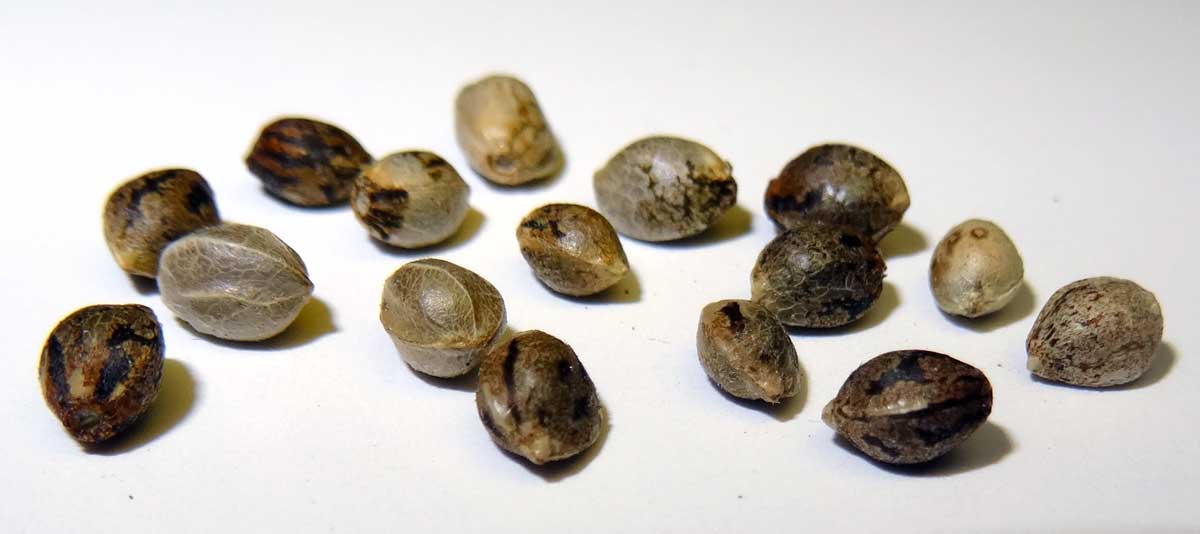
When browsing a seed bank, you will encounter three main categories. Each serves a different purpose, and choosing the right one for your setup is the first real decision of your grow.
Regular Seeds
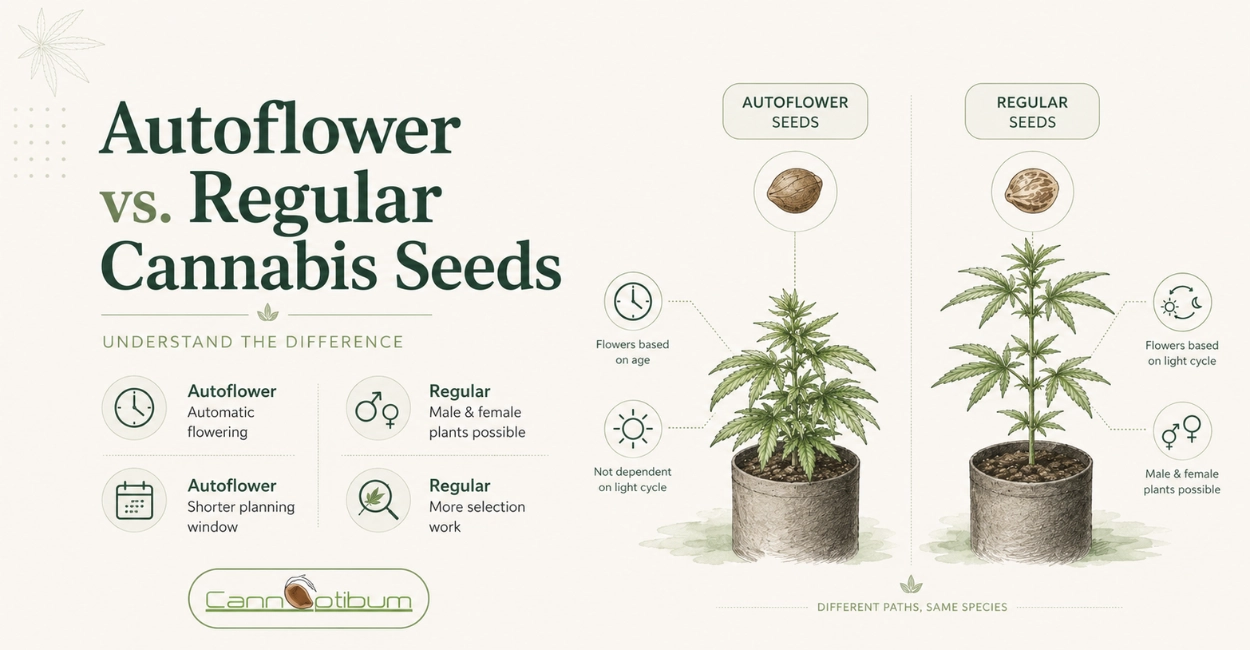
Regular seeds are unmodified and will produce approximately 50% male and 50% female plants. They are the choice of breeders and experienced growers who want to work with natural genetics, create their own crosses, or preserve a strain's original gene pool. The tradeoff is that males must be identified and removed before they pollinate the females — a process that requires experience and attentiveness.
Feminized Seeds
Feminized seeds are produced through a controlled process that eliminates the Y chromosome, resulting in a near-100% chance of growing female plants. Since only females produce the resinous buds growers are after, feminized seeds eliminate the need to sex plants and allow every seed you germinate to contribute to your final harvest. They are the most practical choice for the vast majority of cultivators.
Autoflowering Seeds
Autoflowering seeds contain genetics from Cannabis ruderalis, a subspecies native to cold, northern climates with short summers. Unlike photoperiod strains, autos flower based on age rather than light cycle — typically transitioning automatically after 3–4 weeks of vegetative growth regardless of how many hours of light they receive. They stay compact, finish fast (often 70–85 days from seed to harvest), and are highly resilient. They are ideal for small indoor spaces, balcony grows, or growers who want multiple harvests per season outdoors.
Genetics: Indica, Sativa, and Hybrids
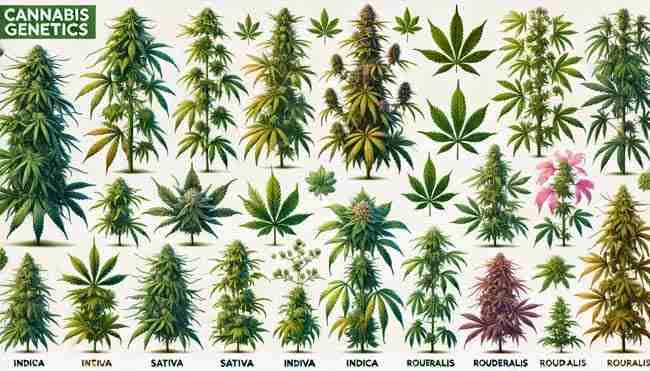
Beyond seed type, the genetic background of a strain determines its growth structure, flowering time, and the character of its effects. Understanding the broad categories helps you match a strain to your space and goals.
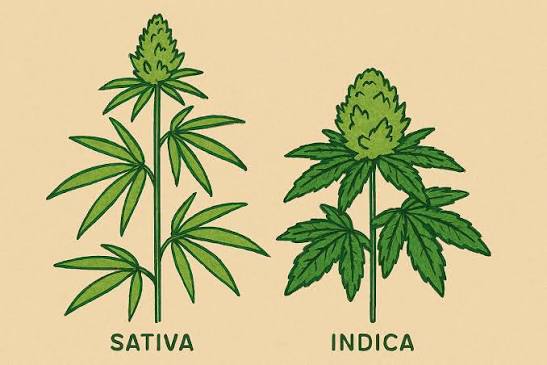
- Indica: compact and bushy with broad leaves, shorter flowering times of 7–9 weeks, and effects that tend toward physical relaxation and sedation. Well suited to indoor growing where vertical space is limited.
- Sativa: tall and stretchy with narrow leaves, longer flowering times of 10–14+ weeks, and effects that lean toward cerebral stimulation and energy. Better suited to outdoor or greenhouse environments with ample vertical space.
- Hybrid: the majority of modern commercial strains are hybrids, combining traits from both parents. Effects and growth patterns depend on which side dominates — a good breeder will specify whether a hybrid is indica- or sativa-leaning.
What to Look for in a Seed Bank
The seed bank you buy from matters as much as the strain you choose. A reputable bank maintains genetic consistency across batches, tests for germination rates, and stands behind the quality of what they sell. When evaluating a seed bank, consider:
- Track record: how long have they been operating? Established banks with years of customer reviews are a safer bet than new or obscure retailers.
- Verified genetics: do they work directly with breeders, or are they reselling unchecked stock? Banks that collaborate with named breeders and provide detailed strain information are more trustworthy.
- Germination guarantees: some banks offer replacement seeds if germination rates fall below a stated threshold. This is a strong signal of confidence in their product.
- Stealth shipping: if you live in a region where seeds may be intercepted by customs, look for banks that offer discreet packaging — seeds concealed inside everyday objects such as pens, magazines, or clothing. Many reputable banks also offer guaranteed reshipment if an order is seized.
- Payment options and discretion: bank transfers, cryptocurrency, or cash payments are common in the cannabis seed industry due to banking restrictions. A bank that offers multiple discreet payment options is a good sign.

Some Well-Regarded Seed Banks
The following are among the most established and respected names in the industry, each known for a particular strength:
- Sensi Seeds: one of the oldest banks in Europe, with a vast catalogue spanning decades of breeding history. Reliable for classic genetics.
- Dutch Passion: pioneers of the feminized seed, with a strong focus on quality control and innovation.
- Mephisto Genetics: widely considered the leading name in modern autoflowering genetics, known for exceptional potency and terpene profiles in their autos.
- Barney's Farm: a strong choice for exotic, high-THC photoperiod strains with impressive yield potential.
- Humboldt Seed Company: highly regarded for their outdoor and full-season genetics, with deep roots in California's legacy cannabis culture.
Reading a Seed Listing
Before purchasing, learn to read strain listings critically. A good listing will include:
- Genotype: the parent strains used in the cross.
- Flowering time: typically expressed in weeks from the onset of flowering (for photoperiod) or from seed (for autos).
- Expected yield: given in grams per square metre indoors or grams per plant outdoors. Treat these as optimistic estimates under ideal conditions.
- THC and CBD percentages: approximate values based on lab testing of phenotypes selected by the breeder.
- Terpene profile or aroma description: useful for choosing strains that match your taste preferences.
How Many Seeds to Buy
If you are growing a strain for the first time, buy more seeds than you think you need. Packs of 3, 5, or 10 are standard. Growing multiple seeds from the same batch lets you select the best phenotype — the individual plant that expresses the most desirable traits — and potentially take clones from it for future grows. A single seed gives you a single shot; a pack of 5 gives you the opportunity to find something exceptional.
Storing Seeds After Purchase
If you do not plan to germinate immediately, store your seeds correctly from the moment they arrive. Keep them in their original sealed packaging inside an airtight container with a silica gel desiccant, and place the container in the refrigerator. Properly stored seeds remain viable for 5 years or more.
Choosing the right seeds is not about finding the strain with the highest advertised THC percentage. It is about matching genetics to your environment, your skill level, and your goals. Take the time to research before you buy, and that investment will pay dividends at every stage of the grow.