
Seeds Conservation
Introduction
Cannabis seeds are living organisms. Inside each seed, a tiny embryo waits in a state of dormancy, its viability slowly declining over time if not stored correctly. Proper conservation can keep seeds viable for 5 to 10 years or more, while poor storage can render them useless within a single season. This guide covers everything you need to know to store your cannabis seeds like a professional.
Understanding Seed Viability
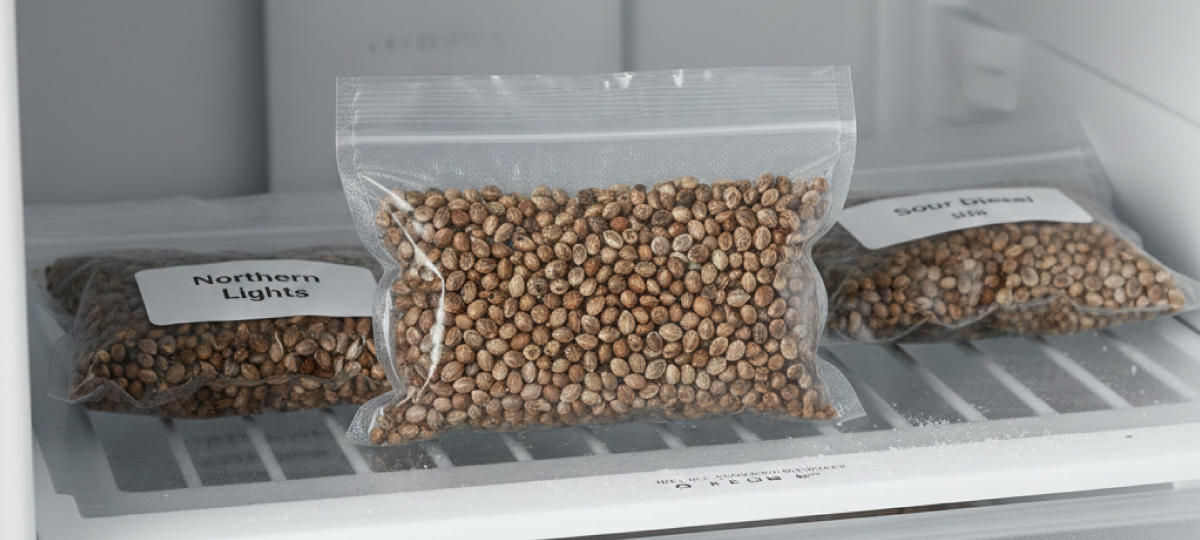
A seed's viability refers to its ability to germinate successfully. Fresh seeds from a reputable breeder typically have germination rates above 90%. As seeds age, this rate declines — but the speed of decline depends almost entirely on storage conditions. The three main enemies of seed viability are:
- Humidity: moisture activates metabolic processes inside the seed, accelerating aging and promoting mold.
- Heat: high temperatures degrade the genetic material and deplete the seed's energy reserves.
- Light: UV exposure breaks down the seed coat and the lipids that protect the embryo.
Control these three factors and your seeds will last for years. Fail to control them and you may find your collection unresponsive in as little as a few months.
Short-Term Storage (Up to 1 Year)
If you plan to use your seeds within the next growing season, short-term storage is straightforward. Keep them in their original breeder packaging — most use foil or mylar pouches that provide adequate light and moisture protection — and place them in a cool, dark drawer or cupboard away from heat sources.
- Ideal temperature: 6–8°C (42–46°F) — a dedicated drawer in a cool room works fine.
- Ideal humidity: 20–30% RH
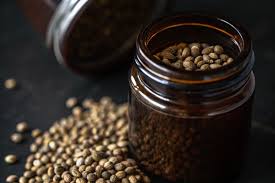
- Container: original packaging or a small airtight glass jar
Avoid storing seeds in the kitchen or bathroom where temperature and humidity fluctuate constantly.
Long-Term Storage (1–10+ Years)
For long-term preservation, you need to be more deliberate. The goal is to bring both temperature and humidity as low as safely possible without damaging the seed.
The Ideal Container
Use small, airtight glass jars — Mason jars or similar — with rubber-sealed lids. Glass does not off-gas chemicals the way plastic can, and a proper seal keeps external humidity out completely. Label each jar with the strain name, breeder, and date of storage.
Desiccants
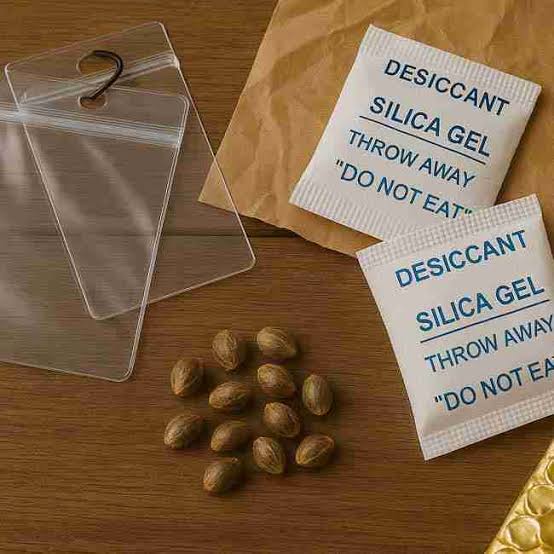
Include a small silica gel packet inside each jar to absorb residual moisture. Food-grade silica gel is widely available and reusable — simply dry it in an oven at low heat when it becomes saturated. Aim for an internal humidity of 20–25% RH inside the jar. Some growers use a humidity indicator card alongside the silica gel to monitor conditions at a glance.
Temperature
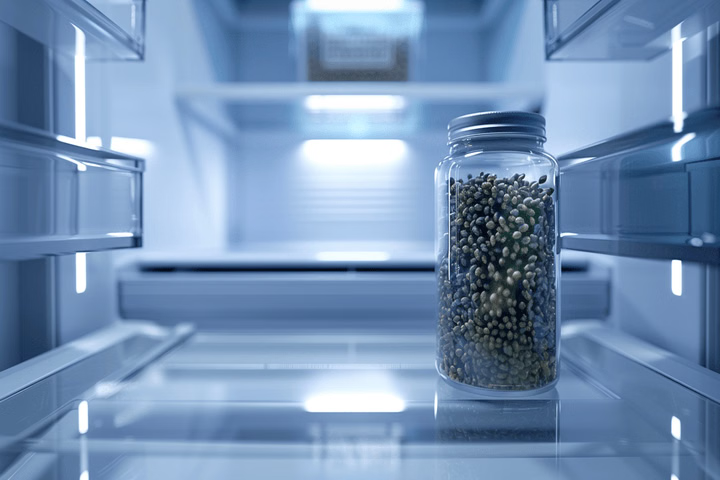
The refrigerator is the most accessible long-term storage option for home growers. Set it to the coldest stable zone — typically 4–6°C (39–43°F) — and place your sealed jars in the back, away from the door where temperature fluctuates every time it opens.
For very long-term storage (5+ years), the freezer is an option — but only if seeds are bone dry (below 10% RH) before freezing. Any residual moisture will expand upon freezing and rupture the seed's cells. If you freeze seeds, never open the jar until it has returned to room temperature to avoid condensation forming inside.
Refrigerator vs. Freezer: Which Should You Use?
- Refrigerator: ideal for seeds you plan to use within 1–5 years. Easy access, no risk of freeze damage, stable conditions.
- Freezer: suitable for archival storage of 5–10+ years. Requires perfectly dry seeds and careful thawing protocol. Best for breeders preserving rare genetics.
For most home growers, the refrigerator is the right choice. The freezer is reserved for seeds you genuinely do not plan to touch for many years.
What to Avoid
- Plastic zip-lock bags: not airtight enough and allow humidity to fluctuate.
- Warm spots: on top of the fridge, near a boiler, or in a car glove compartment — all too warm.
- Repeated temperature cycling: taking seeds in and out of the fridge frequently causes condensation and degrades viability faster than stable room-temperature storage.
- Direct sunlight: even brief exposure accelerates degradation of the seed coat.
- High humidity environments: a damp basement or greenhouse shelf is one of the worst places to store seeds.
Testing Viability Before You Grow
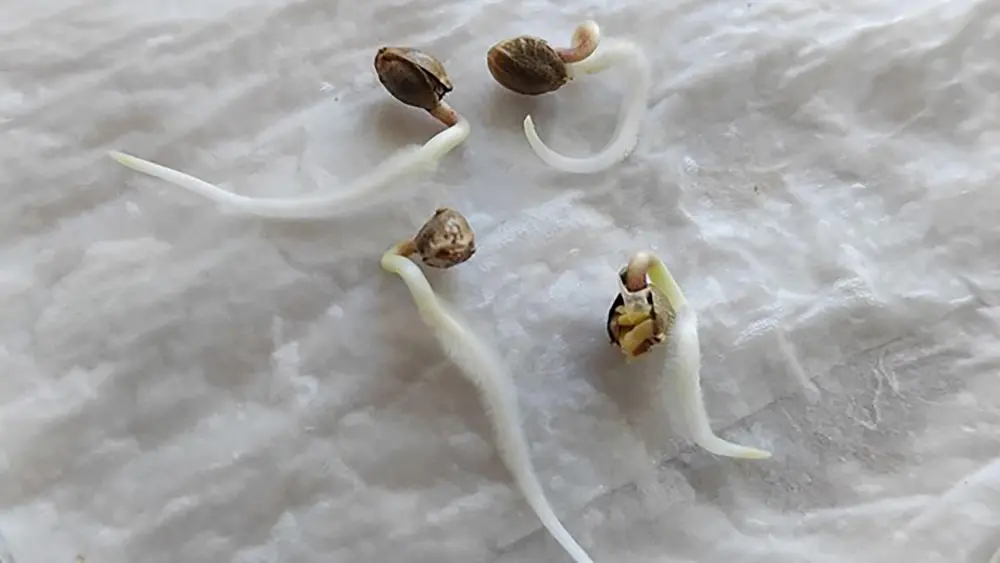
Before committing an entire jar of stored seeds to a grow, it's worth running a simple germination test. Take 5–10 seeds from the batch and attempt to germinate them using your standard method. If 8 out of 10 germinate, your storage has been successful. If fewer than 5 sprout, the remaining seeds may have reduced vigor and you should plant more than usual to compensate.
Organizing Your Seed Collection
As your collection grows, organization becomes essential. Consider maintaining a simple spreadsheet or notebook with the following for each lot:
- Strain name and breeder
- Date of purchase or harvest
- Number of seeds
- Storage location (jar label, fridge shelf)
- Last germination test result
This prevents you from accidentally letting rare genetics expire unnoticed, and helps you plan your grows around seed age — using older stock first while fresher seeds remain safely stored.
Preserving Your Own Seeds
If you breed your own seeds or collect them from pollinated females, allow them to fully mature on the plant before harvesting. Seeds should be hard, dark, and tiger-striped — pale or soft seeds are immature and will have poor viability regardless of storage conditions. After harvest, dry seeds at room temperature in a dark, low-humidity space for 1–2 weeks before placing them into long-term storage.
With the right container, desiccant, and temperature, your seed collection becomes a living library of genetics — ready to germinate reliably years from now, exactly when you need them.